

This Southeast Asian pesto recipe makes an easy Asian style Italian pesto that you can stir through pastas or noodles, such as soba or udon, use as a salad dressing (potato salad is perfect), drizzle onto barbecue meats or skewers, dollop on Southeast Asian soups, spread onto Vietnamese banh mi or Cambodian num pang or crusty bread or croutons to create Asian style tapas. It’s fragrant, vibrant and deliciously addictive.
My Southeast Asian pesto recipe makes an Asian inspired Italian pesto that’s perfect with pasta – opt for a pasta traditionally served with an authentic Genovese pesto such as the Ligurian pastas trofie or trenette or otherwise a spaghetti, linguine or fettuccini – or stir it through Asian noodles, such as Japanese soba or udon.
I developed this Southeast Asian pesto back in early 2020, at the beginning of the pandemic, when we were staying home focusing on baking sourdough (Terence) and cooking projects (me) to stay sane. I still love this Southeast Asian-style pesto and make it often. It keeps well in the fridge in a well-sealed jar, with a layer of sesame oil on top – just as you’d keep a little olive oil on your Italian pesto.
You can use this Southeast Asian pesto as a condiment, sauce or dressing. Stir it through noodles or pastas. Spread it onto crusty bread, croutons or crostini to make Spanish tapas, Basque pintxos or Italian bruschetta. Add a layer to Vietnamese banh mi or Cambodian num pang. Drizzle it onto grilled vegetables, a good hunk of steak, barbecued meats and skewers as the Argentines do with chimichurri. It also makes a fantastic salad dressing.
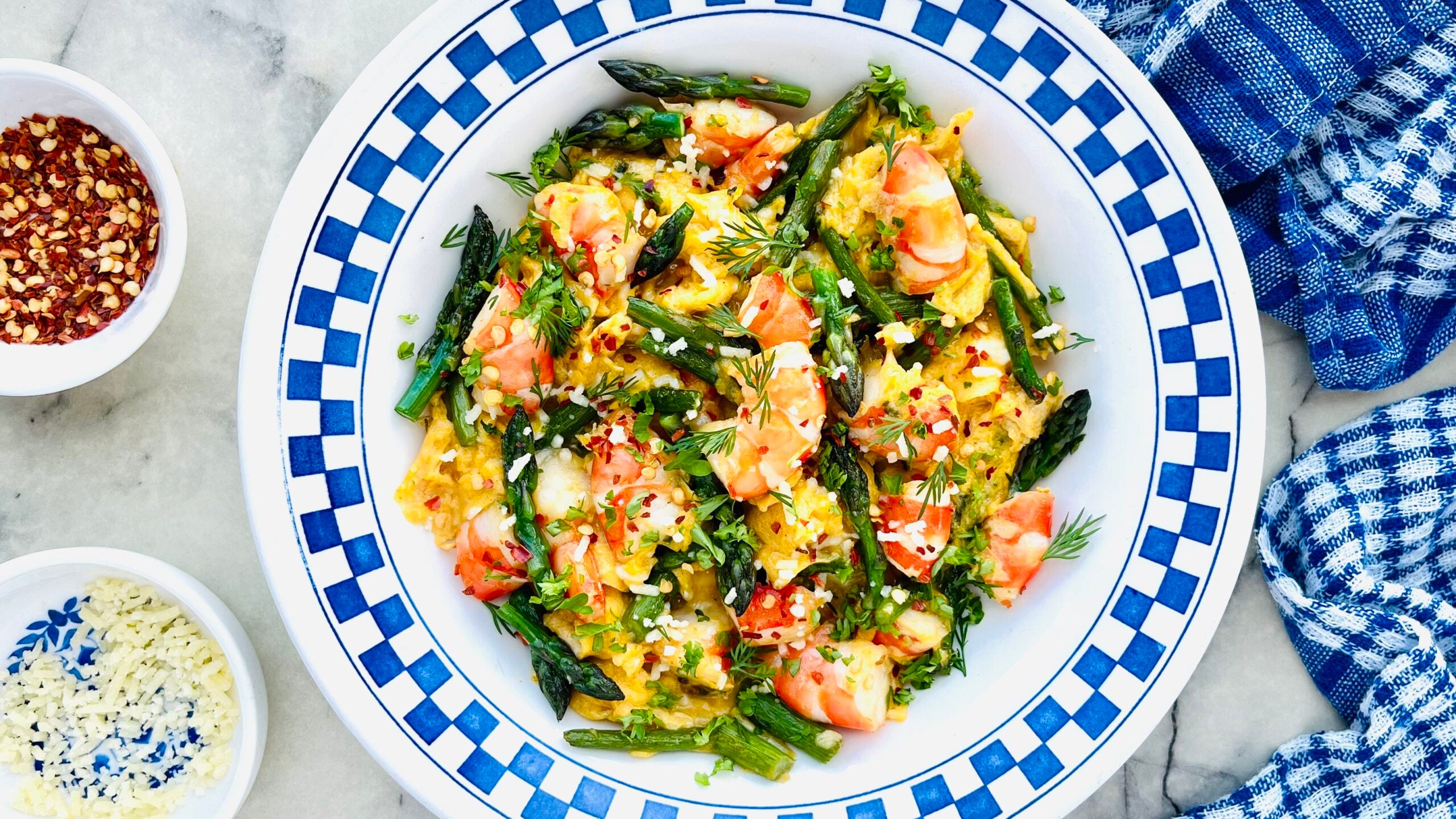
Genoese basil pesto lover? Try our recipes for pesto gnocchi with pesto alla Genovese, my basil pesto pasta with potatoes and beans (the dish I fell for on our first trip to Genoa, but made with fusilli instead of trofie), my pesto spaghetti and meatballs, peas and broccoli, a pesto potato salad, this pan-fried asparagus with pesto hummus, our pesto scrambled eggs, my cherry tomato burrata salad with asparagus, pesto and dukkah, and this broccoli pasta with a creamy broccoli pesto sauce.
If you like this Southeast Asian pesto, do browse our recipe archive, where we have many hundreds of recipes from around the world, from places we’ve travelled, worked and lived. And we have more recipes for classic dishes with an Asian twist here.
Southeast Asian Pesto Recipe – How to Make an Easy Asian Style Pesto
‘Pesto’ comes from the verb ‘pestâ’ in the Genoese dialect – in Italian, it’s pestare. It means ‘to pound’ or ‘to crush’, which refers to the traditional method of preparation, which involved crushing the ingredients in a circular motion using a wooden pestle in a marble mortar.
Over time, pesto became a generic term for anything pounded, typically into a paste. But for Italian food lovers around the world when we hear the word ‘pesto’, it’s the much-loved green Genoese pesto that first comes to mind. Although the sun-dried tomato pesto is also popular here in Australia.
When I decided to create a Southeast Asian pesto recipe in the early days of the pandemic, it was partly out of frustration at not being able to source Italian basil to make the fragrant Genovese pesto from Genoa I love so much. It’s my favourite Italian pesto and I have such delicious memories of trying authentic Genoese pesto for the first time in the Northern Italian port city on our first trip to Italy many moons ago.
In its most authentic form, pesto alla Genovese is made with just seven ingredients: extra virgin olive oil, fresh Genovese basil (traditionally, only the smaller, younger leaves are used, which is why it’s such a vivid light green colour), garlic, pine nuts, salt, and cheese, ideally Parmigiano Reggiano (or Grana Padano), and Pecorino Sardo.
While primarily used in pastas, I like to think of Italian pesto as a member of that family of cold, uncooked green sauces and pastes made from chopped fresh herbs that are found right around the world. Think: salsa verde in Italy and Spain, sauce verte in France, mint sauce in Britain, and chimichurri in Argentina. Green sauces in Europe date back 2,000 years to Ancient Rome.
The Roman cookbook, Apicius, which dates to the 1st century CE has a recipe for a Green Sauce for Fowl (Ius viride in avibus), made with a variety of fresh green herbs, pepper, caraway, spikenard, cumin, bay leaves, dates, honey, vinegar, wine, broth, and oil. Green sauces certainly weren’t as simple then as now! Interestingly, Genoa was actually rebuilt by the Romans after the Carthaginians destroyed the city in 209 BC.
We can’t get Italian basil, let alone Genovese basil, here in Siem Reap. We also can’t find quality pine nuts. The pine nuts we have bought here typically taste stale and are expensive. We also can’t get great quality Parmigiano Reggiano or Grana Padano and, again, what’s stocked is expensive for the quality.
So rather than make a half-hearted attempt at Genoese pesto, when I had a craving, I decided that I just had to use what we had access to and create something fresh and new.
When I started to think about a Southeast Asian pesto recipe, I did some research but only spotted a few Asian pesto recipes. They were unnecessarily complicated with long lists of ingredients. One had well over a dozen ingredients. I thought about the simplicity of Genoese pesto, the diversity of green sauces, and of Cambodian pastes, which are more herbaceous than spicy, compared to, say, the Thai curry pastes.
The basis of Southeast Asian curries are pounded spice pastes. Of all the Southeast Asian curries, the most herbaceous are Cambodian curries made with the kroeung herb and spice pastes, particularly the yellow-green paste kroeung samlor machou, used as the basis for samlors (soups and stews), such as samlor machou kroeung sach ko. The ingredients are lemongrass stalks, galangal, kaffir lime zest, turmeric, shallots, and garlic – which is how I came to add lemongrass and kaffir lime to my Southeast Asian pesto recipe.
Coriander (cilantro) and sesame seeds are used right across Southeast Asia. Sesame has been used in Cambodian cooking since the early days of the Khmer Empire (802-1431 CE), but was probably used during the older Funan civilisation, established in the 1st century, whose capital was a cosmopolitan centre for trade, visited by merchants from India, China and Ancient Rome.
Just a handful of tips to making my Southeast Asian pesto recipe, as it really very easy, whether you choose the traditional method and use a mortar and pestle, as we do here in Southeast Asia, or you’re time-poor and opt for a food processor or blender.
Tips to Making this Southeast Asian Pesto Recipe
This Southeast Asian pesto is super easy to make, even if you choose to pound it in a mortar and pestle, which is my recommendation. So just a few tips to making our pesto with a difference.
Ingredients to Use
It starts with basil of course, in this case Asian basil or Thai basil, then you can get creative.
Use Young Basil Leaves If You Can Get Them
Asian basil or Thai basil is the key ingredient here. Genoese pesto recipes often call for young basil leaves for a pale green colour. I can only get fully developed basil leaves here, which are dark green, hence the darker colour of my Southeast Asian pesto. But do use young basil leaves if you can get them.
If you’re using a food processor or blender rather than a mortar and pestle: an Italian chef friend recommended refrigerating your food processor bowl and blades for an hour or so before using them to help maintain the light green colour.
Herbs, Seeds and Nuts
You can really tweak this Southeast Asian pesto recipe in all sorts of ways using other fresh aromatic herbs, such as fresh mint, dill, sawtooth coriander, or scallions or spring onions.
Replace the sesame seeds with nuts or simply add finely pounded peanuts or cashew nuts to the sesame seeds. You want that slight crunch and nutty flavour that pine nuts give but in Southeast Asian form.
Instead of salt, I use fish sauce sometimes, as we adore fish sauce and this is a Southeast Asian pesto after all. If you’re not a fan of fish sauce and you’re sticking with salt, use a quality salt. If you’re using sea salt, which is saltier than table salt, start with far less – especially if you’re like me and have dramatically reduced salt from your diet for health reasons. The thing with salt is that you can always add more, but can’t take it away.
If you’re going to use fish sauce, use a quality fish sauce that isn’t too salty. We love the Thai fish sauce brand Megachef, which our Australian readers would be familiar with, as it has consistent sodium levels.
Use a Mortar and Pestle If You Have One
Please do try to use a mortar and pestle for our Southeast Asian pesto recipe. Rather than ripping the fresh herbs apart, pounding the ingredients is far kinder on the herbs and will result in a more fragrant and more flavoursome pesto.
The action of pounding is also therapeutic. Terence likes to use this mortar and pestle but I love this KROK mortar and pestle, handcrafted in Thailand.
Of course, if you’re in a hurry or you just don’t want to spend much time in the kitchen, just follow the recipe below and use a food processor or blender.
Pound the Herbs As Quickly as Possible
When prepping your ingredients for pounding in the mortar and pestle, pound the fresh herbs last so they maintain their vibrant colour. The longer you leave picked fresh herbs out, the faster they darken due to oxidisation.
Which is also why you should only pound the pesto for as short a time as possible. Once you’ve reached the right texture, don’t continue to pound the herb mixture as the pesto will go darker in colour.
How to Store this Southeast Asian Pesto
Only make as much Southeast Asian pesto as you need for a meal or two, as it will really only last a few days. If you have any pesto left over, transfer it to an air-tight jar (we use mason jars and clip-top Kilner jars) and pour enough extra virgin olive oil, sesame oil or a neutral oil to cover the surface of the pesto to prevent oxidisation.
If you have one, store the pesto in a tall narrow jar rather than a low wide jar, so the surface area is smaller and you don’t waste a lot of good olive oil.
Pesto can also be frozen if you find yourself with a lot of fresh herbs that you need to use, although frankly I think it’s best to make less pesto and eat it fresh.
How to Use this Southeast Asian Pesto
Use this Southeast Asian pesto in the same way you would Italian basil pesto, but remember you’ll be giving whatever dish you’re making a Southeast Asian flavour or creating a fusion dish.
If you stir this Southeast Asian pesto on pasta or noodles (my pick is soba), you could sprinkle toasted sourdough crouton crumbs or other bread crumbs on top to add texture, as I do with this grilled corn salad. You could also add coconut cream to make a richer, creamier sauce for more of an Asian-Italian fusion dish.
Like other Italian pestos used in pastas, this Southeast Asian pesto can be spread onto bruschetta and topped with tomato or layered with grilled vegetables such as eggplant and red capsicum between slices of focaccia.
You could also try to use this Southeast Asian pesto recipe in the same way you would a Thai curry paste (this post includes tips to using a mortar and pestle) or the Cambodian herb and spice pastes called kroeungs, and trying stirring it through soups, stews and curries. Or just dollop it on top, as I do with this Cambodian pumpkin soup.
It’s also fantastic used as a marinade or drizzled onto barbecued skewers. In that case, definitely try crushed peanuts along with sesame seeds for added texture.
I’ll share more ideas for how to use this Southeast Asian pesto recipe in future posts. To give you an idea of how versatile this pesto recipe is, Terence is using it on the homemade sourdough pizza he’s making tonight.
Southeast Asian Pesto Recipe


Equipment
Ingredients
- ¼ cup olive oil - extra virgin for a greener taste
- ¼ cup neutral oil - we use soybean oil
- 1 garlic clove - peeled and crushed
- 2 kaffir lime leaves - finely chopped
- 2 fresh lemongrass stalks - young leaves, finely chopped
- 2 cups basil leaves - Thai or Italian, fresh
- 2 cups coriander leaves - fresh
- ⅓ cup white sesame seeds
- 1 tsp salt - OR 1 tsp quality fish sauce or to taste
Instructions
- Finely chop the kaffir lime leaves and lemongrass stalks to ensure they break down completely when you pound them in the mortar and pestle or blend them in the food processor.
- Wash your basil and coriander and remove the leaves from the stalks at the last minute.
- In a mortar and pestle, pound the garlic until mashed, add the chopped kaffir lime leaves and lemongrass stalks and pound until crushed, add the sesame seeds, oils and salt (or fish sauce) and pound into a paste, then add the fresh basil and coriander leaves and continue to pound until everything is well combined.
- OR, in a food processor, blend the garlic, chopped kaffir lime leaves and lemongrass stalks, sesame seeds, oils and salt (or fish sauce) into a paste until you have a pesto consistency, then add the fresh basil and coriander and continue to pulse until well combined.
- Use immediately before it discolours or scoop it into a jar, pour a thin layer of oil on top to cover the pesto, then seal and refrigerate until ready for use.
- With oil on top it should last from a few days to up to a week refrigerated.
Do let us know if you make our Southeast Asian pesto recipe. We’d love to know how it turns out for you.



Hi Lara. You mention fish sauce in your lead up to the recipe as well as in the instructions in the recipe but fish sauce is not in your list of ingredients with an amount given. Could you update your recipe or leave a comment about the amount. Thanks
Hi Lynn, I’ve edited the text and recipe for clarification – thanks for pointing that out, greatly appreciated. My suggestion was that more adventurous cooks could try fish sauce in lieu of salt for a very Southeast Asian pesto but I think I assumed at the time most readers probably wouldn’t go for the fish sauce. I suggest starting with a teaspoon of fish sauce instead of salt and then adjusting to suit your taste or you can simply add more fish sauce to the finished dish. If you’re making our Southeast Asian pesto for the first time, I recommend using it with noodles. Enjoy!